
Advanced Composite Engineering Services
Engineering Excellence, Optimized for Performance

Engineering Innovation at Every Level
RAMPF delivers composite engineering services for high-performance structures in aerospace, defense, and industrial applications. Every design is engineered for an optimal strength-to-weight ratio, long-term durability, and precise fit, delivering reliable performance for customers in mission-critical applications.
Our services cover the full engineering lifecycle, from finite element analysis (FEA) and 3D modeling to tooling development and process optimization. Because composite materials, design, and composites manufacturing come from one source, every part is engineered to be production-ready from the first draft.
What Does Composite Engineering Cover?
Composite engineering turns a functional requirement into a composite part that can be built reliably. Unlike in metal design, the material itself is part of the design. Fiber type, fiber orientation, and layup are defined for each part, so strength and stiffness sit exactly where the loads run.
That is why advanced composite engineering never stops at the drawing. Structural analysis, tool design, and manufacturing process are developed together, because each of them influences how the finished part performs.
Your Key Benefits




From Concept to Production-Ready Part
Our engineering follows one continuous workflow. You decide whether we take over the complete development or support individual steps.
Requirements and Load Case
Every project starts with the requirements the part has to meet: loads, weight target, installation space, and operating environment. They form the basis for every design and material decision that follows.
Design and Simulation
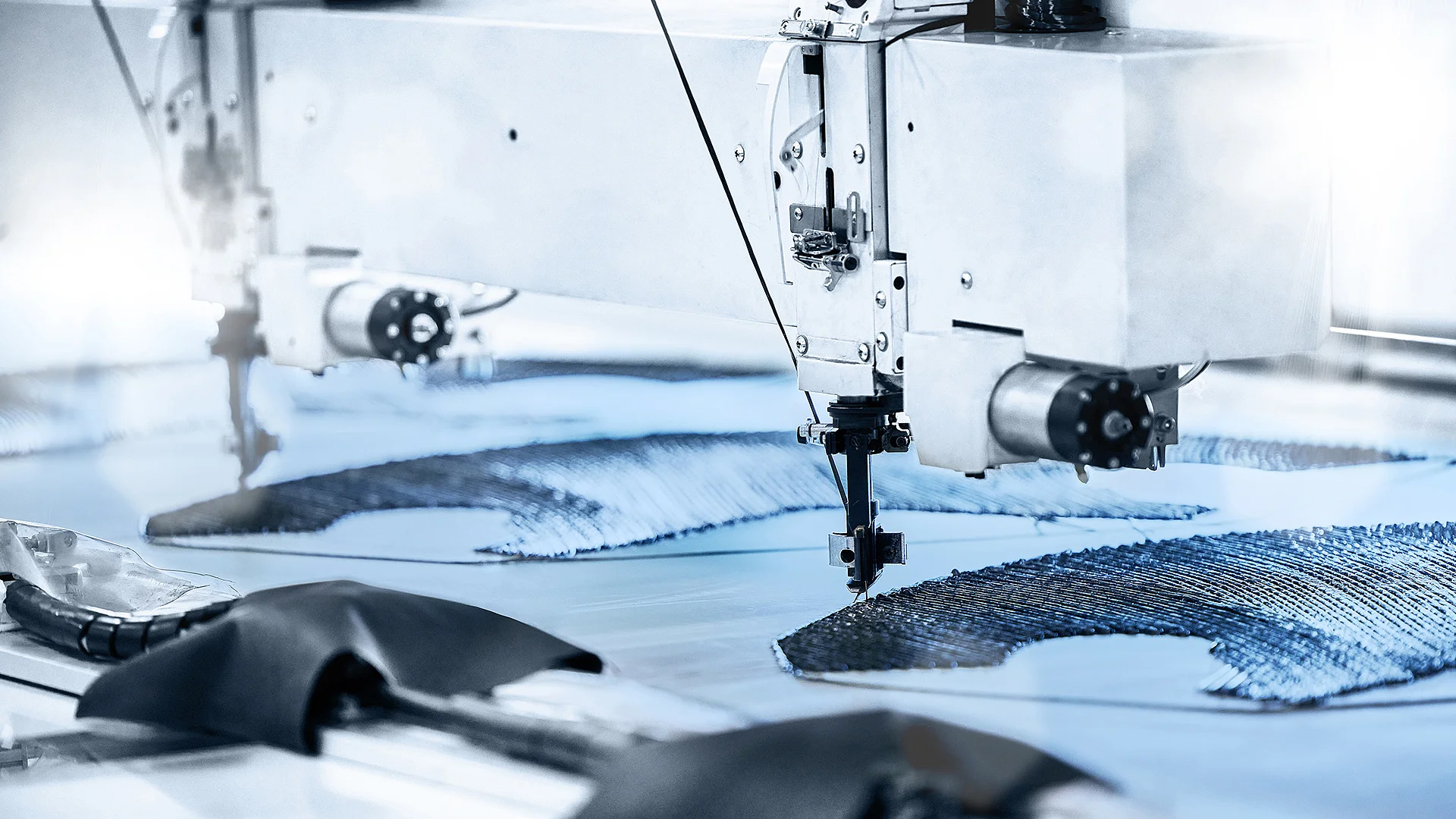
Complex geometries are modeled in CATIA V5 and SolidWorks and refined for fit and manufacturability. NX Nastran finite element analysis then validates structural performance, identifies stress concentrations, and optimizes load distribution before any tool is built. With tailored fiber placement, reinforcement fibers are aligned along the calculated load paths.
Tooling and Process Development
Tools are designed and built in-house, which shortens lead times and keeps part accuracy under control. More about suitable
tooling materials is available on our product page. In parallel, the manufacturing process is developed and optimized, for example for resin infusion or VARTM.
Documentation and Production Transfer
All engineering workflows are fully documented. This supports regulatory compliance and a smooth transfer into series production, whether in our own
composites manufacturing or in your product lifecycle.
Designed for Manufacturing and Quality
A part is only as good as the process that produces it. That is why our designs follow two approaches from the start: Design for Manufacturing (DFM) and Design for Cost (DFC). Both reduce complexity and cost, cut material waste, and ensure efficient production at consistent quality.
This results in designs that scale from concept to full-scale production without being redrawn for the shop floor. Standardized build instructions and the inspection concept of our quality management build on the engineering documentation, and the choice between carbon fiber and fiberglass is covered on our page for composite materials.



Partnering for Smarter Composite Engineering
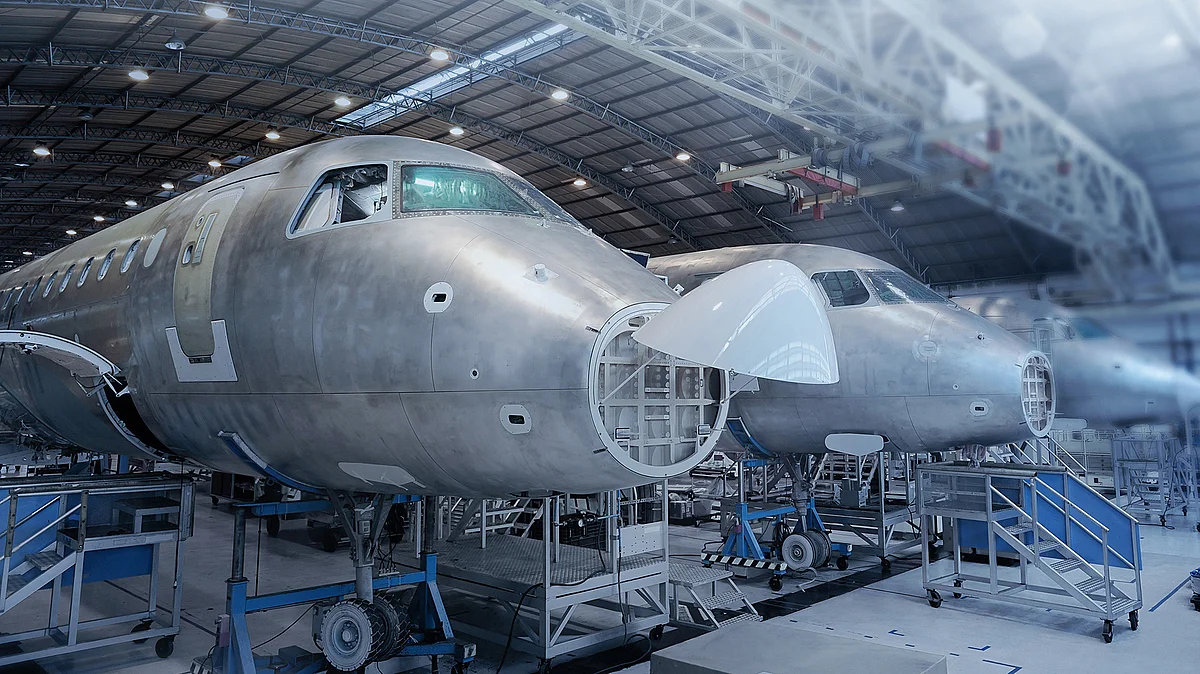
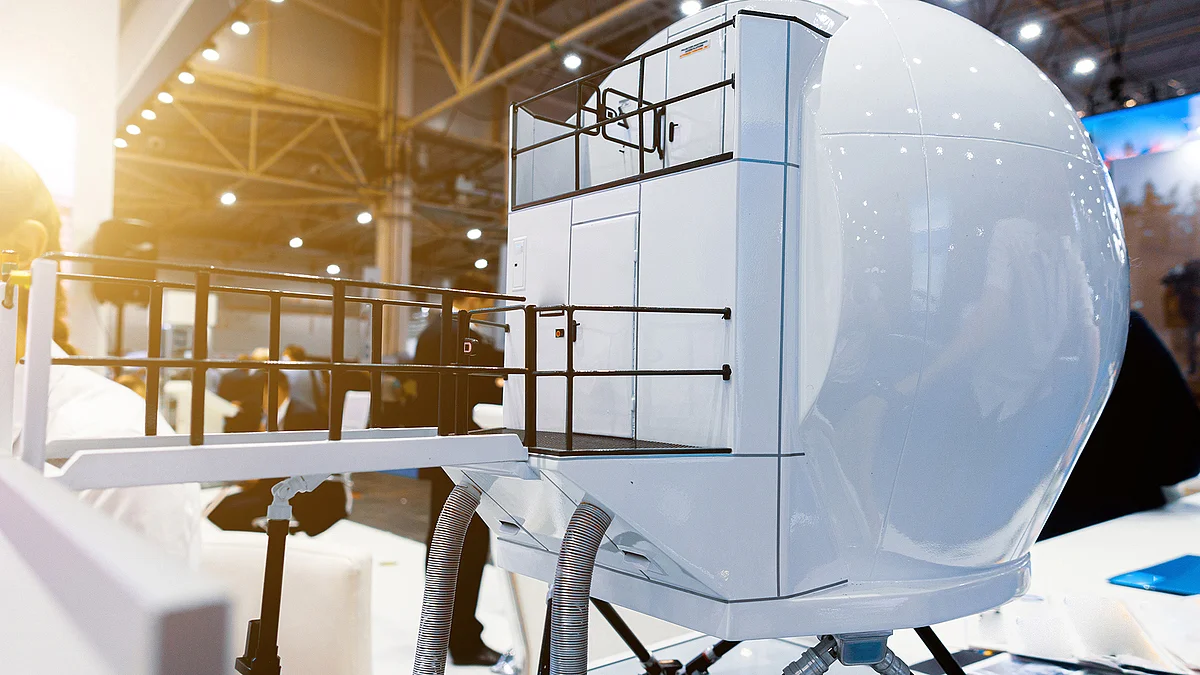
RAMPF drives innovation in composite engineering through expertise, precision, and a fully integrated development process. Whether the challenge involves structural analysis, tailored fiber placement, or efficient part manufacturing: Solutions are tailored for performance, speed, and scalability.
Enabling the next generation of lighter, stronger, and smarter composites – built for real-world performance.
Global Support. Anytime. Anywhere.
FAQ
Composite engineering is the design and analysis of parts made from fiber-reinforced materials. It defines fiber type, fiber orientation, and layup for each part and develops tooling and the manufacturing process together with the design.
We model geometries in CATIA V5 and SolidWorks and run finite element analysis with NX Nastran.
FEA simulates the structural behavior before production. It identifies stress concentrations, improves load distribution, and increases durability, so the design is optimized before the first tool is built.
DFM stands for Design for Manufacturing, DFC for Design for Cost. Both approaches reduce complexity and cost and ensure that a design can be produced efficiently and at consistent quality.
Yes. You choose only the services you need, from concept design and FEA to tooling and full-scale production.