
Electrical Potting Compounds
Reliable Protection for Electronic Components in Demanding Environments

Potting Compounds for Extended Service Life of Electrical and Electronic Components
Electronic components and assemblies are exposed to increasingly demanding thermal, mechanical, and electrical stresses. Moisture, chemicals, vibration, and extreme temperature fluctuations can significantly impact the performance and service life of sensitive components.
Our potting compounds for electrical and electronic components provide reliable protection and ensure maximum operational reliability, electrical performance, and long-term durability. With RAKU® PUR, RAKU® POX, and RAKU® SIL encapsulation resins, we offer tailor-made solutions for a wide range of applications across the electrical and electronics industry.
Your Challenge
Electrical and electronic components are exposed to increasingly demanding requirements:
- Ensuring high product reliability and long service life
- Minimizing failure rates and scrap
- Ensuring long-term electrical insulation
- Protecting against moisture, chemicals, and environmental influences
- Withstanding mechanical stress, vibration, and shock loads
- Managing temperature fluctuations and thermal stress
Even minor weaknesses can result in malfunctions, reduced performance, or premature failure of electronic assemblies.
Our Solution
Our potting compounds for electrical and electronic components provide comprehensive protection for demanding applications.
- Effective electrical insulation
- Reliable protection against moisture, dust, and chemicals
- Excellent resistance to temperature fluctuations
- High thermal conductivity for optimized thermal management
- Long-term mechanical and thermal stability
- Tailor-made material solutions for specific application requirements
As a result, electronic assemblies deliver reliable, long-lasting performance even under demanding operating conditions.
Your Benefits at a Glance
Technology and Specifications
Material:
- RAKU® PUR: Polyurethane potting compounds offering high flexibility and excellent resistance to temperature cycling.
- RAKU® POX: Epoxy potting compounds for maximum mechanical strength and outstanding electrical performance.
- RAKU® SIL: Silicone-based potting compounds for extreme temperature ranges and maximum flexibility.
Technical Highlights
- Thermal conductivity of up to 4 W/mK
- Glass transition temperatures from -70 °C to +155 °C
- Wide hardness range from Shore 00 to Shore D
- Customizable reactivity
- High insulation resistance
- Excellent electrical performance
- Outstanding resistance to temperature cycling

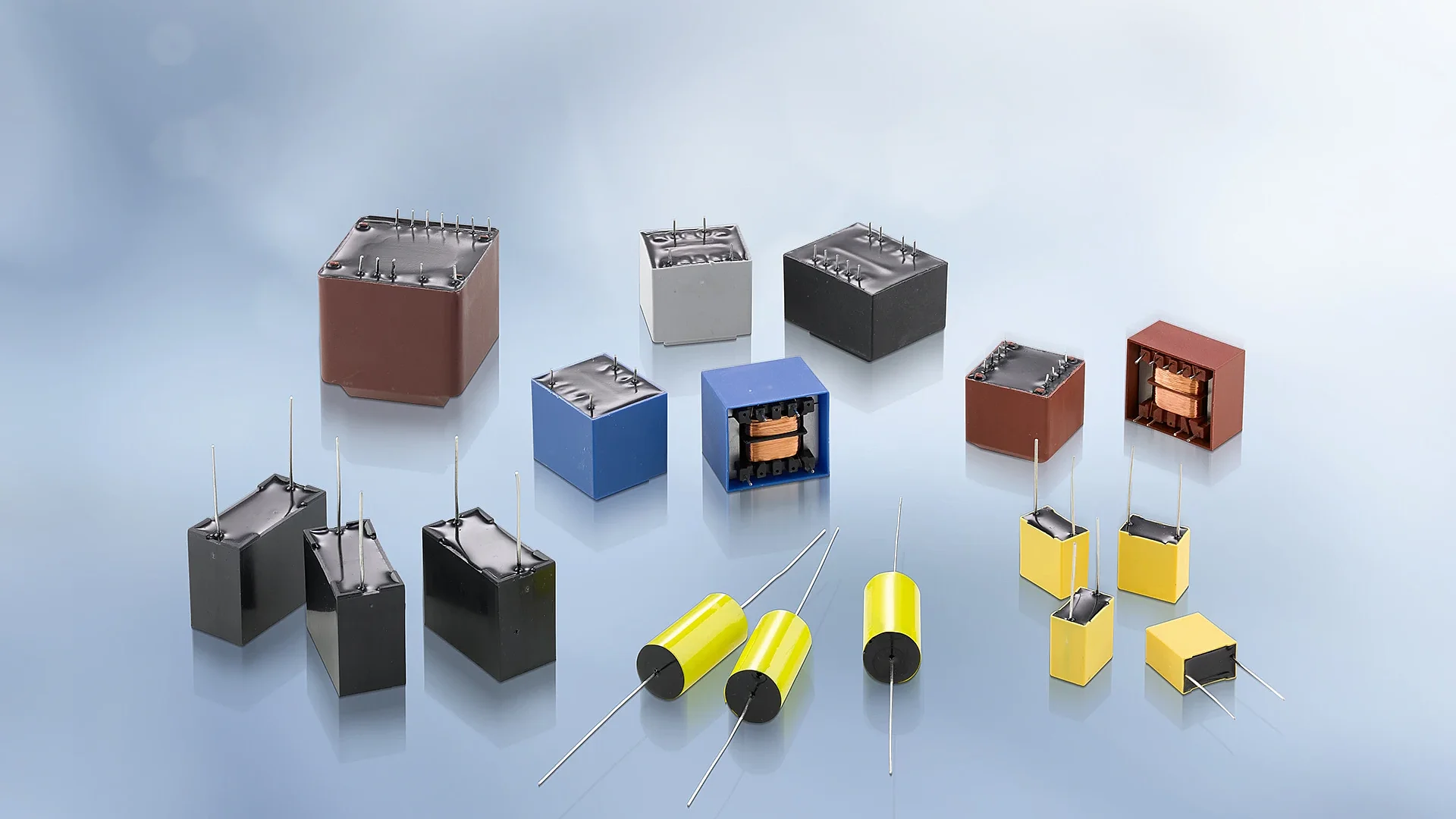


Potting compounds provide long-term protection for connector systems in demanding operating environments.
- Reliable sealing against moisture and dust
- High electrical insulation to prevent short circuits
For long-term reliable switching performance.
- Protection against vibration and mechanical stress
- High resistance to temperature fluctuations and aggressive media
Potting compounds for the long-term operational reliability of critical components.
- Electrical insulation and secure fixation
- Protection against moisture and thermal stress
High-performance protection for windings and electrical components.
- Improved heat dissipation
- Reduced vibration and operating noise
Potting compounds for maximum reliability of electronic assemblies.
- Protection against corrosion and environmental influences
- Increased service life and operational reliability
For demanding applications with high thermal and mechanical loads.
- Protection against dust, moisture, and shock loads
- Improved heat dissipation through thermally conductive systems
Global Support. Anytime. Anywhere.
FAQ
Electrical potting compounds are specially formulated materials used to protect electrical and electronic components from external influences. They permanently encapsulate sensitive components, increasing their resistance to moisture, dust, chemicals, vibration, and temperature fluctuations.
Electrical potting compounds increase the reliability and service life of electronic components. They protect sensitive assemblies against environmental influences and mechanical stress while helping reduce failures and maintenance requirements.
Electrical potting compounds are used across a wide range of industries, including power electronics, sensor technology, control units, industrial automation, energy technology, charging infrastructure, and e-mobility applications.
Depending on the application, potting compounds for electronics must meet demanding thermal, mechanical, and electrical requirements. These may include resistance to temperature cycling, flame retardancy, thermal conductivity, and resistance to moisture and chemicals.
Polyurethane, epoxy, and silicone resins are commonly used for electrical potting compounds. The choice of material depends on the specific requirements for flexibility, thermal conductivity, flame retardancy, and long-term durability.
The potting material completely encapsulates the electronic components and forms a permanent protective barrier. This prevents moisture ingress and reduces the risk of corrosion and electrical failures.